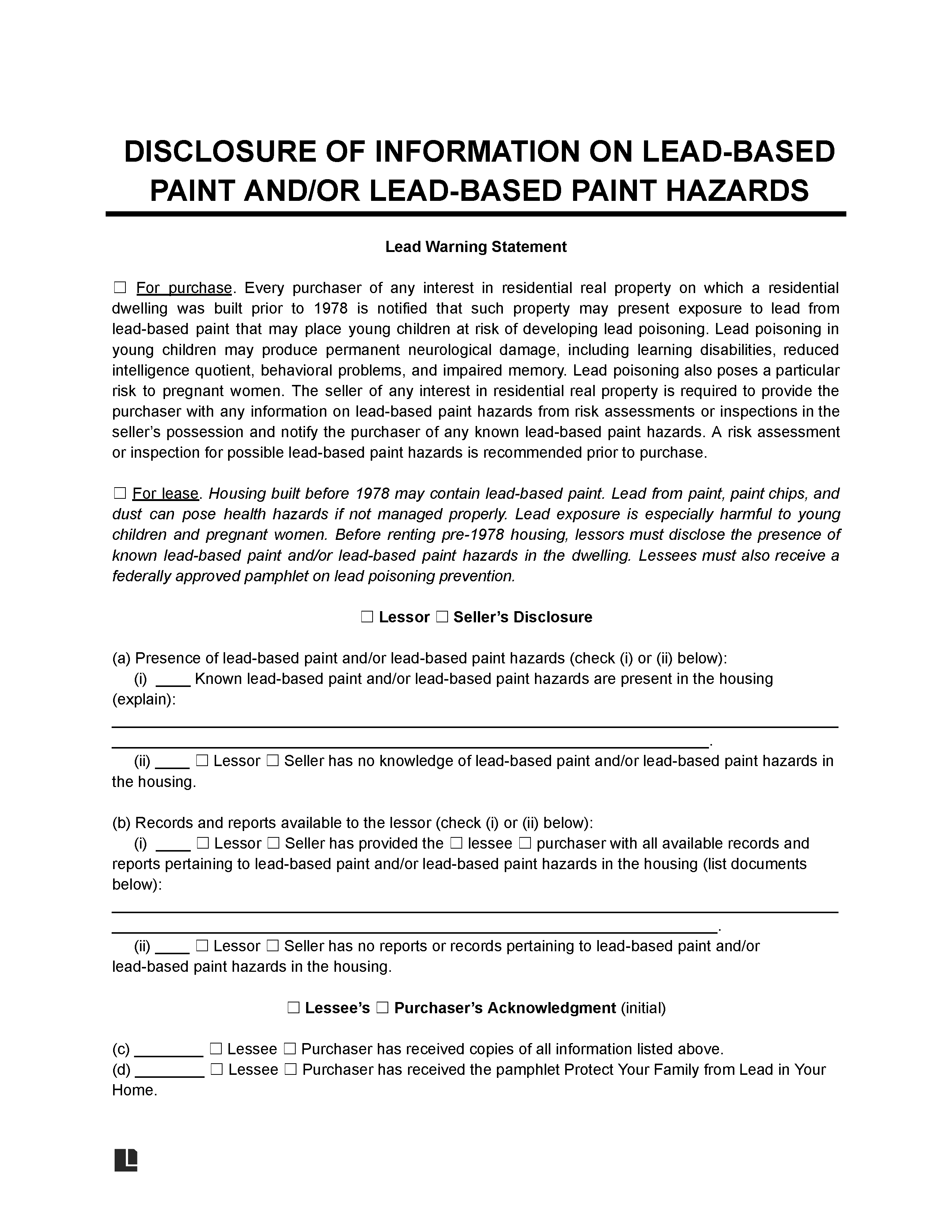

Njar Form Simplicity is more than just a design choice—it’s a mindset that transforms complex administrative tasks into seamless, user-friendly experiences. In a world where digital efficiency drives productivity, mastering the art of simple forms can significantly reduce errors, speed up processing, and improve user satisfaction. Whether you're building a government portal, a business application, or an online registration system, the key lies in crafting forms that feel intuitive rather than overwhelming. This approach emphasizes clarity, minimalism, and purposeful structure, ensuring every field serves a clear function. By focusing on *Njar Form Simplicity*, organizations empower users to complete tasks quickly and confidently, turning potential friction into effortless completion.
Understanding the Core Principles of Njar Form Simplicity
To truly embrace Njar Form Simplicity, one must first understand its foundational principles. These guide every decision in form design, from layout to interaction. Key elements include:
- Clarity of Purpose: Each field must have a single, well-defined goal. Remove redundant or ambiguous questions that confuse users.
- Minimal Input Requirements: Only ask for essential information. The fewer fields, the faster completion—without sacrificing data quality.
- Intuitive Labeling: Labels should be direct, concise, and placed clearly beside inputs. Avoid jargon or vague terms.
- Logical Grouping: Organize related fields together using visual cues like borders, spacing, or sections to guide the eye and mind.
- Immediate Feedback: Provide real-time validation so users know instantly if their input is correct or needs correction.
These principles ensure that forms do not become barriers but bridges between users and desired outcomes. When applied consistently, they create a rhythm of ease that keeps users engaged and reduces abandonment rates.
| Principle | Description |
|---|---|
| Clarity of Purpose | Each field must serve a clear, singular function to avoid confusion. |
| Minimal Input Requirements | Collect only what is absolutely necessary to reduce cognitive load. |
| Intuitive Labeling | Use plain, direct language in labels to eliminate ambiguity. |
| Logical Grouping | Group related fields visually and structurally to support comprehension. |
| Immediate Feedback | Validate inputs instantly to help users correct mistakes quickly. |
Njar Form Simplicity thrives when every element supports usability over complexity.
One powerful way to implement simplicity is through progressive disclosure—revealing fields only when relevant. This technique prevents information overload and keeps the interface clean. For example, a loan application might show additional documentation requests only after a user selects “Yes” to needing extra verification. This targeted approach maintains focus while gathering necessary details efficiently.
Form fields should never force users to recall unrelated information; context-driven design improves accuracy and trust.
Visual hierarchy plays a crucial role too. Using size, color, and spacing strategically draws attention to critical fields without distraction. Bold labels paired with subtle background shading can guide users naturally through the process, reducing hesitation and errors. Consistency across form elements—such as uniform button styles and error message formats—builds familiarity and confidence.
Simplicity in form design is not about removing features, but about refining them to serve the user’s journey.
Njar Form Simplicity means designing with empathy—anticipating user needs and removing friction at every step.
In practice, achieving form simplicity requires iterative testing. Usability studies, A/B testing, and real-world feedback reveal hidden pain points. Small adjustments—like rewording a label or adjusting field order—can dramatically improve completion rates. Tools such as heatmaps and session recordings offer insights into how users interact, enabling data-driven refinements that align closely with actual behavior.
Continuous improvement ensures forms stay effective as user expectations and technologies evolve.
Ultimately, Njar Form Simplicity is about respect—respect for the user’s time, attention, and ability. It transforms forms from tedious chores into smooth, empowering interactions. When users encounter a simple, well-designed form, they don’t just complete it—they feel confident and valued. This mindset not only boosts operational efficiency but also strengthens trust and loyalty, making simplicity a cornerstone of modern digital experience design.
By embedding clarity, minimalism, and user-centered logic into every form, organizations unlock greater engagement, fewer errors, and deeper satisfaction. Njar Form Simplicity is not a trend—it’s a sustainable standard for building meaningful connections through digital interfaces.